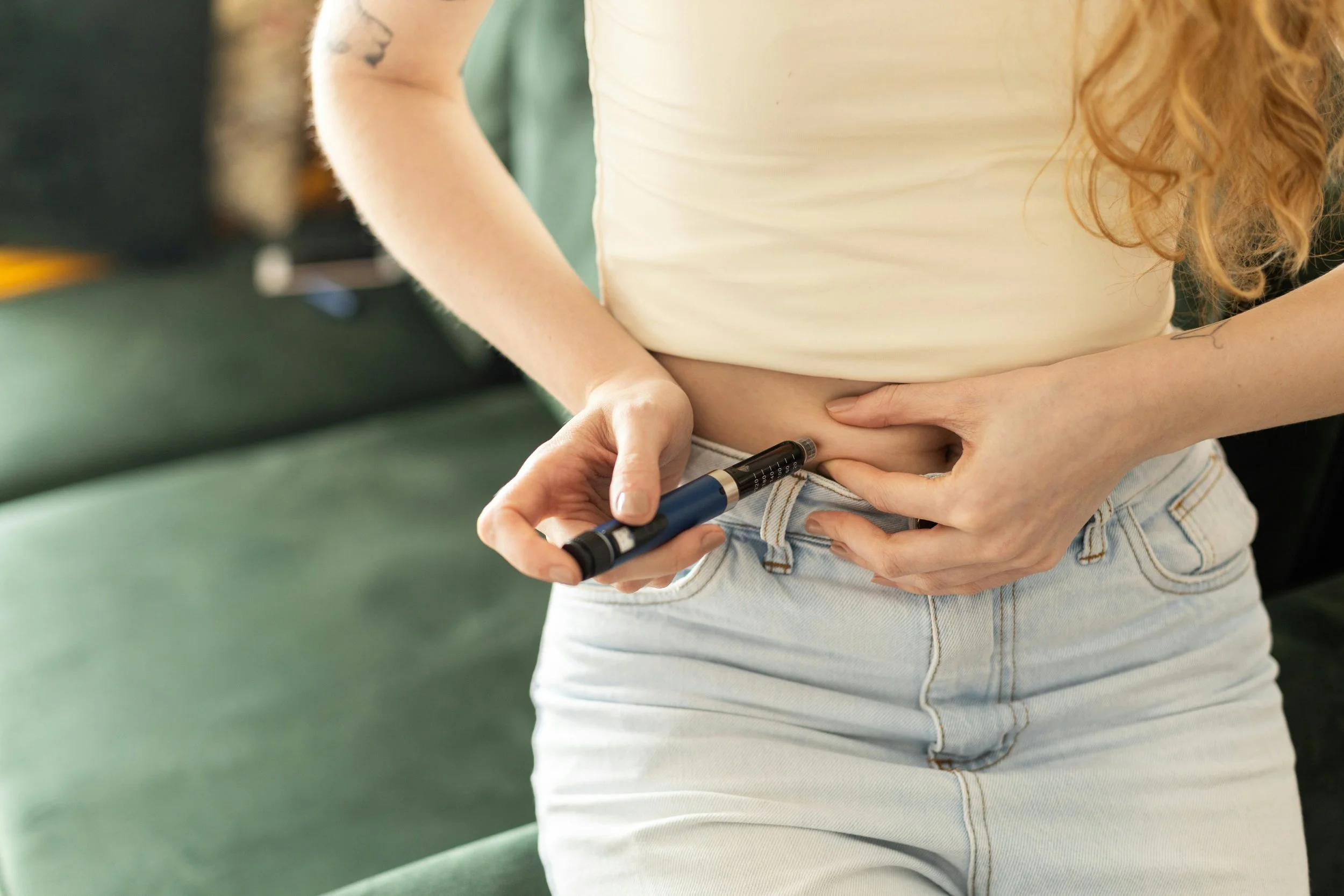
From Ozempic to tissue repair, bladder pain and the female pelvic floor. What does the science tell us, what are people experiencing, and what haven't we thought to ask?
I have fallen down yet another rabbit hole.
And this one started with a rather surprising discovery.
Ozempic is a peptide.
I knew quite a bit about collagen peptides. I'd heard about peptides in skincare (the skincare companies make sure of that!), and I'd come across the increasingly popular fitness peptides promising faster recovery, stronger muscles and even a slowing of the ageing process.
But I hadn't really joined the dots.
And once I started looking, I found myself asking all sorts of questions.
If scientists can use peptides to influence appetite and blood sugar, could they also use them to help repair damaged tissue?
What about the connective tissue of the abdominal wall after pregnancy? Or the pelvic floor muscles injured during childbirth?
Could they possibly help someone living with persistent bladder pain?
Maybe there is a magic pill out there somewhere?
And what about the other side of the equation? If a peptide-based medicine helps someone lose a substantial amount of weight, what happens to the fatty tissues that have important functions in our bodies? The fat we need.
I'm thinking in particular about the female body.
Our breasts. Our labia. The tissues surrounding the urethra. And the extraordinary collection of vascular, muscular and connective tissues involved in sexual function.
Because often fat isn't simply something we need to get rid of.
It has a job.
Actually, quite a few jobs.
And this is where the story becomes much more interesting than all the headlines about miracle weight-loss injections and the latest biohacking trend.
First, what on earth is a peptide?
At its simplest, a peptide is a chain of amino acids joined together by peptide bonds.
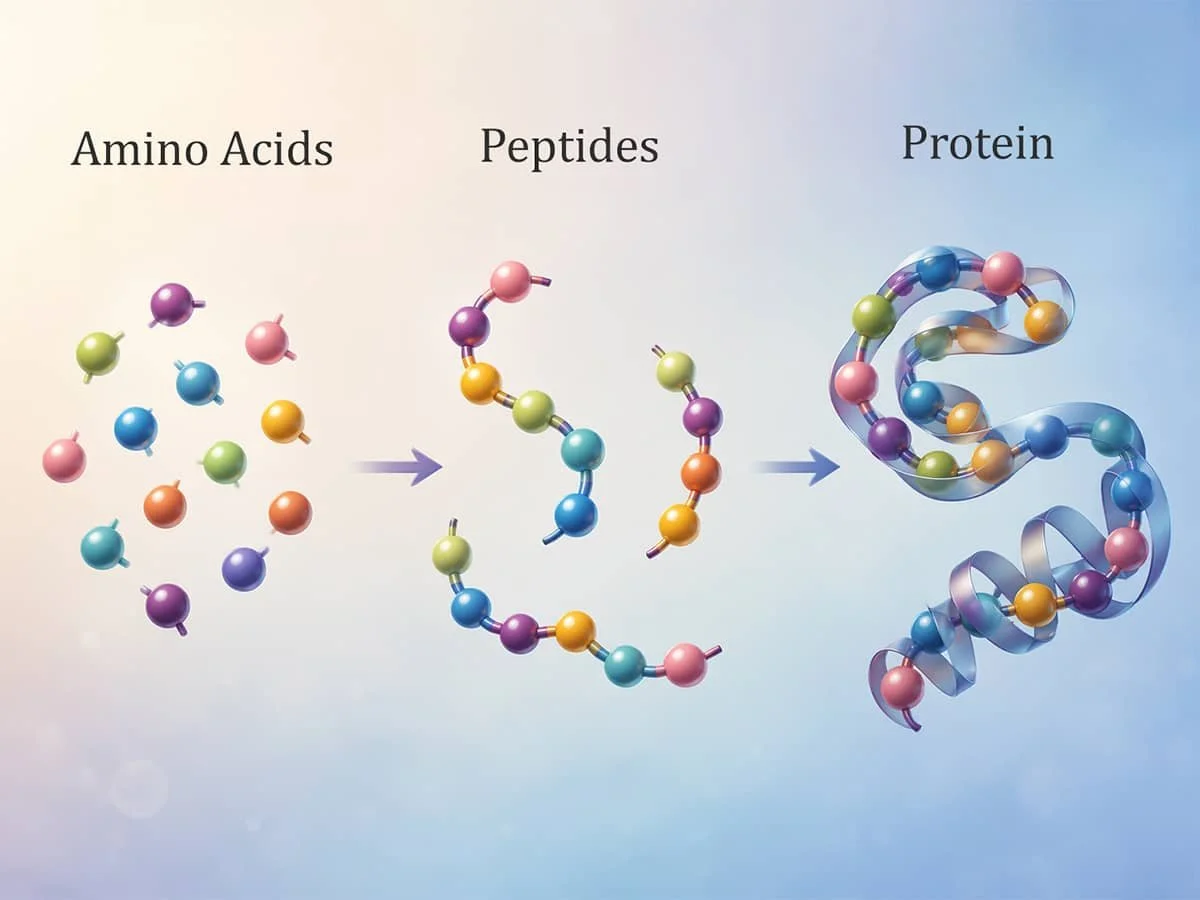
Peptides
Amino acids are the building blocks of proteins.
Imagine amino acids as letters, peptides as words and proteins as sentences.
It's not a perfect comparison, because the distinction between peptides and proteins isn't simply about length, but it's a useful place to start.
And these little molecular words are part of an extraordinary communication system.
Insulin is a peptide hormone.
Oxytocin is another, which you may have experienced during childbirth. Called the “cuddle drug”, it promotes contractions and is said to help with bonding after birth.
Your body also produces peptide messengers involved in appetite, digestion, pain regulation, growth, reproduction and countless other processes.
Some circulate in the blood. Others act locally. Many interact with specific receptors on cells, influencing what those cells do next.
Think about that for a moment.
Your body is constantly sending and receiving chemical messages.
And scientists have learned how to alter some of those messages.
The Ozempic revelation
Ozempic contains semaglutide, a modified peptide that activates receptors for a naturally occurring hormone called GLP-1.
Your gut releases GLP-1 in response to you eating.
Among other things, it helps regulate blood glucose, it also influences appetite and slows gastric emptying.
But naturally occurring GLP-1 is broken down very quickly, within one to two minutes. So, Scientists modified the molecule so that it resists this rapid breakdown and binds to albumin, one of the most abundant proteins circulating in our blood. this protein already carries hormones, vitamins, enzymes, calcium, and more around our body.
The result?
A molecule with a half-life of approximately one week.
That’s pretty extraordinary engineering isn't it?
By changing the structure of a chemical messenger, scientists have a managed to develope a medicine capable of influencing our physiology for days rather than minutes.
And semaglutide (brand name you may know Ozempic) I discovered isn't the only example.
Tirzepatide, the medicine in Mounjaro, is another engineered peptide. It acts on receptors for two gut hormones, GIP and GLP-1.
These are medicines backed by substantial clinical research for particular medical conditions.
But that doesn't mean every peptide being sold online has the same evidence behind it.
And this is where things get interesting.
Enter the fitness peptides
You may have not noticed the growing industry in fitness. But If you had spent any time looking at recovery or longevity content in this field recently, you may have encountered names such as BPC-157, TB-500, CJC-1295 and ipamorelin.
Some of these are promoted for injury recovery.
Others are intended to stimulate growth hormone release or influence body composition.
BPC-157 is particularly interesting.
It's a synthetic peptide containing 15 amino acids, studied extensively in animal models for its potential effects on tissue repair, inflammation and blood vessel signalling. Now the tissue repair bit is what hooked me.
Researchers have reported really encouraging results in some animal experiments involving tendons, ligaments, muscles and other tissues. What now feels like a long time ago an anatomist at Edinburgh Uni talked about her work on this. At that juncture she and her team had only managed to create tissue able to support a baby chicks leg. The research has clearly moved on.
And I can understand why people are excited.
Imagine being able to help a damaged tendon repair itself more effectively.
Or finding a treatment that improves persistent inflammation after years of unsuccessful interventions.
But we have to be careful about the jump from animal research to human treatment.
An October 2026 systematic review identified three eligible human BPC-157 studies involving 30 participants. They included research into knee pain, bladder pain and short-term intravenous safety.
The authors considered the overall certainty of the evidence very low.
That doesn't mean that BPC-157 has no useful biological effects.
It means we haven't yet established its effectiveness and safety in properly controlled human trials.
What are people actually experiencing?
This is the part of any story I always find most interesting.
Because outside the clinical literature, people are already experimenting with these compounds. Because where there is a will there is always a way, and regardless of safety some will still try.
Some people describe improvements in injuries that had troubled them for years.
Others are reporting less pain, better movement or faster recovery.
And some say it has done absolutely nothing. they have noticed no changes at all.
There are also people describing unwanted effects, including anxiety, digestive symptoms and changes in mood.
One of the difficulties with interpreting these accounts that, I have found on discussion forums across the web, is that people often use several treatments at once.
They may be rehabilitating an injury, changing their training, taking other supplements and using more than one peptide. All at the same time.
And of course, injuries can also improve naturally over time. ‘Time heals’ is after all an old saying!
But I don't think that makes their lived experiences unimportant, actually quite the opposite. These accounts may help researchers identify which questions deserve investigating.
Why do some people report substantial improvements while others don't?
Could the nature of the injury matter?
Could different products behave differently?
Could some people be responding to changes in inflammation or pain signalling rather than structural tissue repair?
And what happens months or years later?
These are questions that definitely need asking.
The fat we actually need
Now this is where my thoughts turned towards the female body. In the media across social platforms, we hear an enormous amount about losing fat.
Less belly fat. Smaller thighs. A slimmer/flatter waist.
But adipose tissue (fat) is far more than an energy store. And is not just a useless part of us to reject out of hand. We need to pause and consider what it actually does in our body.
Fat does far more than store energy. It cushions and protects our tissues, helps give them their shape, and sends chemical messages around the body that influence everything from our appetite to how we use and store energy.
Let’s start with the labia majora.
These outer folds of the vulva contain organised fatty and connective tissue.
And this isn't just a vague anatomical description I have pulled out of an anatomy book.
In 2016, researchers dissected 11 female cadavers and identified an organised fibro-adipose structure within the labia majora.
Then, in 2023, another study examined the dimensions and volumes of the fatty tissues of the mons pubis and labia majora in 214 women.
The researchers found differences associated with BMI.
In the two BMI groups, the calculated volume of each labium majus was approximately 30 ml and 40 ml respectively.
These are averages from the study groups, they are not ‘ideal’ measurements that every woman should have.
But they illustrate something important.
The fat of the vulva is organised anatomical tissue.
It's not simply excess padding.
The labia majora contribute to cushioning and protecting the more delicate structures beneath them.
The mons pubis provides another area of soft-tissue cushioning over the pubic region.
And of course, the breasts contain varying proportions of fatty, glandular and connective tissue.
So when someone loses a substantial amount of weight, it's reasonable to ask what happens to these structures.
And some women are already asking this in discussion forums.
What women are saying about vulval changes during weight loss
I found a particularly interesting first-person account from a woman who had lost approximately 20 kg while using Ozempic.
She described developing discomfort when cycling and sitting for long periods.
Following a gynaecology appointment, she believed that loss of vulval fatty tissue was contributing to her symptoms.
But here's what makes her account particularly interesting.
She subsequently updated her post to explain that she'd recently increased her cycling considerably, wasn't using padded shorts and had discovered problems with her position on the bike.
In other words, even within one person's experience, the explanation of what was going on evolved.
So, was it the change in tissue volume? The increased cycling? The pressure from the saddle? A combination of factors?
We don't know.
But I think it's a good example of why we need to listen carefully without jumping to conclusions. We have to pause and take time to consider all the pieces of the puzzle!
Now, in April 2026, researchers published a large retrospective analysis examining vulval atrophy and hypertrophy diagnoses among women taking GLP-1 receptor agonists.
The study included approximately 617,000 medication users and compared them with a much larger population of non-users.
The incidence of recorded vulval atrophy or hypertrophy was almost identical.
0.061% in users compared with 0.060%. Which is not a statistically significant difference.
That's important evidence against a large increase in clinically recorded diagnoses.
Or is it…
And this is where I think we need to look a little more closely at what the researchers actually measured.
Because here's my question.
How many women who notice changes in the appearance, volume or comfort of their labia actually visit a doctor about it? Hmmm…
And how many doctors would record those changes as a formal diagnosis?
Because this study didn't examine women's vulvas or ask them what they'd experienced. No, it looked at diagnostic codes in medical records.
The researchers themselves acknowledged that changes women notice might not be captured by those records.
I also looked into who funded the study. The published abstract declares no conflicts of interest and lists funding as not applicable, although that isn't the same as a fully independent investigation of every researcher's financial relationships.
So I'm not suggesting the researchers deliberately ignored women's experiences.
But I do think there's a rather important difference between asking whether doctors are diagnosing more vulval atrophy and asking whether women are noticing changes in their bodies.
And perhaps that's the next study we need.
One that actually asks the women who have been using these peptides.
And what about the vestibular bulbs?
This is another area where female anatomy is more than a little fascinating.
The vestibular bulbs sit alongside the vaginal opening and are closely associated with the clitoral complex.
But unlike the labia majora, they're not simply fatty structures.
They're made of erectile vascular tissue.
During sexual arousal, blood flow and engorgement contribute to changes in the tissues surrounding the vaginal entrance.
An anatomical study published in 2023 examined the relationships between the clitoral body, vestibular bulbs and urethra.
It demonstrated just how closely these structures are arranged, with vascular and connective tissues forming an intricate three-dimensional relationship.
So could significant weight loss influence the mechanical environment surrounding these structures?
It's a reasonable question. And sadly, perhaps not one likely to be asked in these studies, because when it comes to women and their sexual lives, research has historically received far too little attention and funding.
And that's not just my opinion.
A study published in 2026 found that between 2015 and 2024, research into male sexual dysfunction received $61.2 million in US National Institutes of Health funding, compared with just $33.8 million for female sexual dysfunction.
That's almost twice as much.
So when I ask why we know so little about how weight-loss medications might affect women's genital anatomy and sexual function, I think it's a perfectly reasonable question.
If we don't fund the research, and we don't ask women about their experiences, how on earth are we supposed to find the answers?
What we would have to distinguish between are changes in the surrounding fatty tissues and changes in the erectile structures themselves.
I haven't found clinical evidence demonstrating that semaglutide causes the vestibular bulbs to shrink or lose their erectile function.
And we shouldn't assume that it does.
But this raises a wider question.
How often do weight-loss studies ask women about changes in genital sensation, comfort or sexual function?
And how much might we be missing when we focus almost entirely on the scales?
What about the tissues surrounding the urethra?
The urethra is another wonderfully complex structure.
We often think of continence as simply a muscle squeezing shut to stop urine escaping. But there's so much more going on than that!
The urethra has its own muscles, both those we can consciously contract and those that work automatically. Its inner lining also contains a rich network of blood vessels that help create a soft seal, keeping the urethra closed.
Then there's the connective tissue surrounding it, helping to support its position, the pelvic floor muscles beneath it, and the way we manage pressure throughout our abdomen and pelvis.
All these structures work together to help keep us continent.
And here's an important distinction.
Unlike the labia majora, the tissues immediately surrounding and supporting the urethra aren't primarily made of fat. They're a combination of muscle, connective tissue, nerves and blood vessels, although there is some fatty tissue in the wider surrounding anatomy.
So could significant weight loss change some of that surrounding fatty tissue and alter the support available to the urethra?
It's an interesting question, but we don't yet have good evidence demonstrating that this happens or that it causes incontinence.
In fact, here's where the research becomes rather surprising.
Weight loss can actually improve urinary incontinence in women who are overweight or living with obesity.
In a randomised trial involving 338 women, researchers found that a structured weight-loss programme significantly reduced episodes of urinary incontinence compared with a control programme.
The benefit was particularly apparent for stress urinary incontinence, the sort of leaking that can happen when we cough, sneeze, jump or run.
One possible explanation is that reducing excess body weight can reduce the pressure placed on the bladder and pelvic floor.
So while weight loss might change the volume of fatty tissues in some parts of the body, it can simultaneously improve the way other parts of the body function.
And that's precisely why I find the body so totally fascinating.
The same intervention can influence several systems simultaneously.
Some changes may be beneficial.
Others may be less welcome.
And the overall result will depend on the individual.
Could peptides help with bladder pain?
Now this really caught my attention.
In 2024, researchers published a pilot study involving 12 women aged between 39 and 76 with interstitial cystitis, also known as bladder pain syndrome.
All had experienced persistent symptoms despite previous treatment with pentosan polysulfate. During cystoscopy, researchers injected a total of 10 mg of BPC-157 (the peptide) around areas of bladder inflammation.
Following treatment, ten women reported complete symptom resolution.
The remaining two reported approximately 80% improvement.
That's an astounding result. And whilst I want to celebrate this and shout about it, because interstitial cystitis effects so many there are some important limitations.
There were only 12 participants.
There was no placebo group.
The study wasn't blinded.
And the improvements were based on patient-reported outcomes.
So we can't establish how much of the improvement was caused by the peptide.
But surely results like these deserve further investigation?
I think so.
Especially when you consider the experiences of people living with chronic bladder pain.
In one online discussion, a person described substantial relief within days of starting a combination peptide product containing BPC-157. After approximately eight weeks, they described themselves as essentially symptom-free.
In another account, someone receiving a combination of exosome treatments and BPC-157 reported that urinary frequency had improved considerably and pain had reduced by around half.
I have to stress that these aren't controlled experiments.
And in the second case, several treatments were involved, so it's impossible to identify the effect of BPC-157 alone.
But they are experiences worth recording.
There are also people who report little or no benefit.
And that matters just as much.
Perhaps some bladder conditions respond differently from others.
Perhaps the mechanisms involved in bladder pain vary considerably between individuals.
We already know that pelvic floor muscle overactivity, bladder sensitivity, inflammation and nervous system processes can contribute differently to symptoms.
So the idea of one universal treatment for bladder pain seems unlikely.
But could a peptide eventually become one useful option for a particular group of patients?
That's a question worth a scientific study.
Could peptides help repair diastasis recti?
Of course, this was one of the first questions that came into my mind, like immediately…
Because diastasis recti is so often described simply as a gap between the abdominal muscles.
But the linea alba is much more interesting than that.
It's a collagen-rich connective tissue structure that contributes to force transmission across the abdominal wall.
During pregnancy, it undergoes considerable adaptation.
And after childbirth, its dimensions and mechanical properties can change again.
So when I started reading about experimental peptides and collagen remodelling, I wondered whether they might eventually influence recovery of the linea alba.
There are animal studies suggesting that certain peptides can influence processes involved in connective tissue healing.
But a tendon in a rat isn't the same thing as the postpartum linea alba in a human.
And I haven't found any direct clinical evidence showing that BPC-157 or TB-500 can repair diastasis recti.
I did find women discussing the possibility online, including someone two years postpartum who described a persistent abdominal separation and was considering BPC-157 after trying rehabilitation exercises and collagen.
But I couldn't establish whether she subsequently used it or what happened next…
So for this one we have my curiosity and biological hypothesis, but not a demonstrated treatment.
And I think we need to remember something else.
A narrower inter-recti distance isn't necessarily the same thing as better abdominal function. The way the abdominal wall responds to breathing, movement and load matters too.
The ability to generate and transmit tension matters.
And so does the person attached to that abdominal wall.
Their symptoms, confidence, strength and ability to do the things they want to do.
Perhaps future research will explore peptides as part of connective tissue rehabilitation.
But for now, progressive movement and rehabilitation remain much better supported than experimental peptide injections.
And what about levator ani avulsion?
This is perhaps the question that interests me most.
During childbirth, particularly following difficult or instrument-assisted deliveries, part of the levator ani muscle complex can detach from its attachment near the pubic bone.
This is known as levator ani avulsion. It's a deeper injury than a perineal tear, and it can have consequences for pelvic organ support and pelvic floor function.
When I first started investigating peptides and tissue repair, I wondered whether they might have a role here.
Could a peptide encourage the regeneration of damaged muscle?
Could it influence collagen formation at the attachment site?
Could it support recovery of the tissues surrounding the injury?
These are, for me at least, interesting biological questions.
But we have to distinguish between healing damaged muscle fibres and restoring an anatomical attachment to bone.
A peptide cannot be assumed to reconnect a detached muscle simply because it influences tissue-repair pathways in an animal experiment.
And sadly there are no convincing human studies demonstrating that BPC-157 or similar peptides can repair levator ani avulsion. Trust me I looked.
But there's another piece of research worth exploring.
A 2023 systematic review suggested that around half of levator ani avulsion injuries may show some natural healing.
Now, that sounds extraordinary, doesn't it?
But when we look more closely at the individual studies, there's an important distinction between a partial injury and a complete detachment of the muscle from its attachment near the pubic bone.
Some partial injuries appear to improve over time, and in certain women the injury is no longer visible on ultrasound.
However, research published in 2024 followed women for several years after childbirth and found that none of the 20 women with a confirmed full avulsion showed complete anatomical restoration on their later scans.
So we can't say that half of all avulsed muscles simply reattach themselves.
And here's something else to consider.
In the first weeks after childbirth, swelling, bruising and changes in the tissues can make ultrasound findings more difficult to interpret. An injury that appears extensive early on may look different once those initial changes have settled.
But even when a complete avulsion persists, that doesn't mean a woman cannot improve her pelvic floor function or symptoms. There is always something we can do!
And that brings us back to the questions from all of this that pinged my interest.
What allows some tissues to recover? How does the body compensate when they don't? And could future regenerative treatments help us support those processes?
We don't yet know whether peptides have any role in this. But I think it's a fascinating possibility, and I would love to see these questions investigated properly.
There's also an important distinction between anatomical healing and functional recovery.
Someone can have a persistent structural injury and still improve their symptoms, strength, movement strategies and quality of life.
And someone whose imaging looks relatively normal may still experience significant symptoms.
The body is considerably more complicated than a scan.
What about the experiences of women living with avulsion?
This is where I'd particularly like to see more research.
We have studies examining the association between levator avulsion and pelvic organ prolapse. We have imaging studies documenting and showing the changes after childbirth and birth trauma.
And we have research examining the effects of some pelvic floor muscle training.
But we also have women describing very different experiences of the same anatomical diagnosis.
Some report heaviness, a feeling of reduced support or difficulties with certain activities. Others have an avulsion identified on imaging without significant symptoms.
Some improve substantially with rehabilitation.
Others continue to experience difficulties despite doing everything they've been advised to do.
These differences deserve attention.
And they remind us why we should be cautious about promising that any single treatment, whether exercise, surgery or a future regenerative medicine, will produce the same result for everyone.
So are peptides the future?
Perhaps some of them will be part of it.
In fact, peptide-based medicines are already an important part of our modern healthcare.
Insulin transformed diabetes treatment.
GLP-1 receptor agonists have changed the management of type 2 diabetes and obesity.
And researchers continue to investigate peptide-based approaches for a wide range of conditions.
But we need to distinguish between medicines that have undergone substantial clinical testing and experimental compounds being sold through the online fitness market.
The fact that a molecule is made from amino acids doesn't automatically make it safe. And the fact that our bodies naturally produce peptide messengers doesn't mean that introducing additional synthetic versions will always produce beneficial effects.
The dose that you take is important.
The route of administration matters.
The duration matters.
And the effects on other systems is also important and this is what we don’t automatically know. With some experimental peptides, we simply don't have adequate human safety information.
That doesn't mean they have no therapeutic potential.
It means the questions still for now remain unanswered.
And I think it's important to make room for that uncertainty. Science is moving at a massive rate of knots, who knows what the next 2-3 years will hold.
Why lived experience matters
One thing I've become increasingly interested in is the relationship between scientific research and the experiences of people living in their bodies.
Clinical trials are essential for determining whether a treatment works, how reliably it works and what risks it potentially carries.
But research doesn't always ask every question that matters to the person receiving treatment.
A study might measure body weight without measuring sexual comfort.
It might assess bladder pain without investigating changes in pelvic floor muscle behaviour.
It might measure the distance between abdominal muscles without asking whether someone can lift their child comfortably.
And sometimes people notice changes long before researchers begin investigating them.
And that also doesn't mean every reported improvement is caused by the treatment someone has taken.
But neither should we dismiss an experience simply because it hasn't yet been explained.
I think we need both.
Carefully designed research to test our ideas.
And really more importantly carefully listening to understand which questions we should be asking in the first place.
The extraordinary conversation happening inside us
What I find most fascinating about peptides isn't simply the possibility of a new treatment.
It's what they reveal about the body.
A chain of amino acids can influence appetite.
Another can regulate blood sugar.
Another can participate in reproduction, growth or the response to injury.
And all of this is happening within a body that is simultaneously responding to movement, gravity, hormones, sleep, nutrition, emotion and experience.
Nothing is happening in isolation.
Our muscles aren't separate from our connective tissues.
Our connective tissues aren't separate from our nervous system.
Our hormones don't operate independently of our metabolism.
And our pelvic floor certainly isn't an isolated collection of muscles sitting at the bottom of the pelvis waiting to be squeezed.
It's all part of an extraordinary, constantly adapting system.
Perhaps future peptide research will help us understand how to support some of these processes more effectively.
Perhaps we'll discover treatments for injuries and conditions that currently have limited options.
And maybe some of the ideas being enthusiastically promoted today will turn out not to work at all.
But that's the reality of science.
It's a process of asking questions, testing ideas, being surprised and occasionally discovering that what we thought we knew wasn't quite right.
And for me, that's the exciting part.
Not the promise of a miracle molecule.
But the opportunity to understand a little more about this extraordinary business of being human.
Because there's more to your body than you think.
And sometimes, the questions are every bit as fascinating as the answers.
While we wait for science and scientists to do what they do best, I am available to do what I do best! If you would like to book a 1:1 with a pelvic floor MOT i would love to get you started loving being in your body again and filled with curiosity about what your human movement potential is!
Signature offers with you as an individual in mind - Find out more
Further Reading and sources
A note about the research
This article explores published research alongside people's personal experiences. Some of the peptides discussed are established prescription medicines, while others remain experimental and have not been adequately tested for safety or effectiveness in humans.
I've included early studies and personal accounts because I believe they're worth investigating, not because they establish that a treatment works.
This article is intended to encourage curiosity and informed discussion, rather than recommend experimental peptide treatments.
Peptides and tissue repair
1. Poolton, J. T., Minett, J. & Kazmi, A. (2026). Human evidence for BPC-157 in orthopaedic and regenerative medicine: a systematic review of efficacy and safety. Acta Orthopaedica Belgica. Read the review. This is the review identifying three eligible human studies involving 30 participants, with very low certainty of evidence.
PubMed
2. Lee, E., Walker, C. & Ayadi, B. (2024). Effect of BPC-157 on Symptoms in Patients with Interstitial Cystitis: A Pilot Study. Alternative Therapies in Health and Medicine, 30(10), 12–17. Read the study. Twelve women, no control group.
PubMed
3. Ozempic (semaglutide): Summary of Product Characteristics. UK prescribing information. Useful for explaining the GLP-1 mechanism and semaglutide's approximately one-week half-life.
Female anatomy and GLP-1 medications
4. Hammad, M. A. M., Nakamura, H. S. & Yih, J. (2026). Vulvar Tissue Changes in Non-diabetic Women Receiving GLP-1 Receptor Agonists: A Global Federated Cohort Analysis. Journal of Urology, conference abstract IP28-29. Read the abstract. The study examining recorded diagnoses, not direct tissue measurements.
AUA Journals
5. Ostrzenski, A., Krajewski, P. & Davis, K. (2016). Anatomy and histology of the newly discovered adipose sac structure within the labia majora. Archives of Gynecology and Obstetrics, 294, 549–554. Read the study.
PubMed
6. Seleem, M., Osman, O. M., Kashmar, S. G. & Lotfy, R. (2023). Dimensions, Ratios, Volumes, and Weights of the Fatty Parts of the Vulva (Mons Pubis and Labia Majora). Aesthetic Surgery Journal, 43(9), 1002–1012. Read the study.
PubMed
7. Tappy, E. E. and colleagues (2023). Anatomic relationships of the clitoral body, bulbs of the vestibule, and urethra. American Journal of Obstetrics and Gynecology, 228(6), 720.e1–720.e8. Read the study.
PubMed
8. O'Connell, H. E. and colleagues (1998). Anatomical relationship between urethra and clitoris. Journal of Urology. Read the study. Additional anatomical evidence concerning the clitoral and periurethral tissues.
PubMed
9. STEP 1 body composition analysis (2021). Impact of Semaglutide on Body Composition in Adults With Overweight or Obesity. Read the study. Examines changes in fat and lean mass.
10. Subak, L. L. and colleagues (2009). Weight Loss to Treat Urinary Incontinence in Overweight and Obese Women. New England Journal of Medicine, 360, 481–490. Read the study. Randomised trial involving 338 women.
Levator ani avulsion and recovery
11. Doxford-Hook, E. A. and colleagues (2023). Management of levator ani avulsion: a systematic review and narrative synthesis. Archives of Gynecology and Obstetrics, 308, 1399–1408. Read the review. This is the source of the often-quoted 50% natural-healing figure, which needs the qualifications we've discussed.
PubMed
12. Siafarikas, F. and colleagues (2024). Levator ani muscle avulsion and subsequent vaginal delivery: 8-year longitudinal follow-up. Ultrasound in Obstetrics & Gynecology, 64(1), 112–119. Read the study. Important evidence concerning persistence of avulsion after the first postpartum year.
PubMed
Women's sexual health and research funding
13. Disparities in Funding Between Male and Female Sexual Function-Related Disorders (2026). Journal of Urology, conference abstract IP28-04. Read the abstract. Documents $61.2 million in NIH funding for male sexual dysfunction versus $33.8 million for female sexual dysfunction over 2015–2024.
AUA Journals
Lived experiences
These accounts are useful for illustrating lived experiences, but they aren't verified treatment outcomes.